

How thoughtful design can create easier everyday routines
By Tracy Laqua, Interior Design Professional
Have you ever found yourself doing the same little workaround in your home every single day?
Walking back across the kitchen for something you need. Moving the same pile of papers off the dining table. Dropping bags on the kitchen counter because there isn't a convenient place for them anywhere else.
Individually, these little frustrations don't seem like much.
But when they happen day after day, they're often telling us something important:
Your home may be asking you to work harder than it should.
As an Interior Design Professional, I've learned that these everyday frustrations are often some of the most valuable clues a homeowner can give me. Before we talk about changing a room, I want to understand
why it isn't working in the first place.
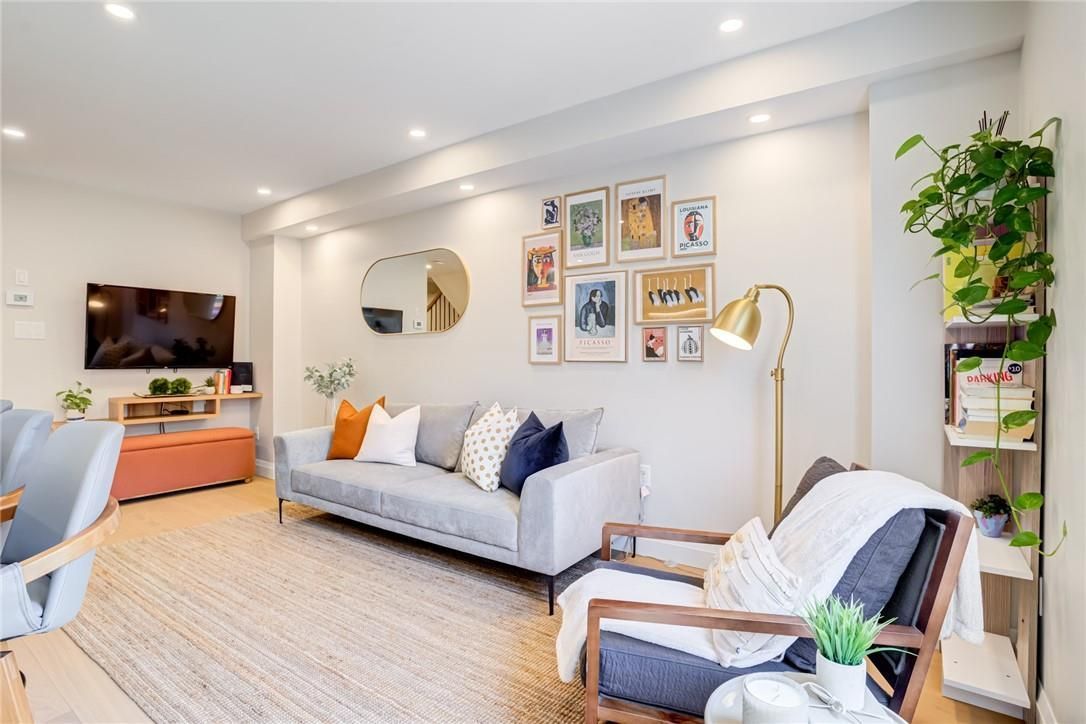
Where Is Everyday Friction Happening?
We often become so accustomed to our homes that we stop noticing the ways we work around them.
Extra steps, awkward storage, poor lighting, and crowded pathways can slowly become accepted parts of the routine. Instead of questioning the space, we adjust our habits to accommodate it.
Take a closer look at everyday activities such as:
- Preparing breakfast
- Getting ready for work
- Doing laundry
- Putting groceries away
- Managing household paperwork
- Entering and leaving the home
- Getting ready for bed
Where does the routine slow down?
Perhaps the items you use together are stored too far apart. Maybe several people need to move through the same area at the same time. You may also be missing a useful surface, appropriate lighting, convenient storage, or enough room to move comfortably.
A Closer Look: Repeated inconvenience can be a sign that the space is not fully supporting the activity.
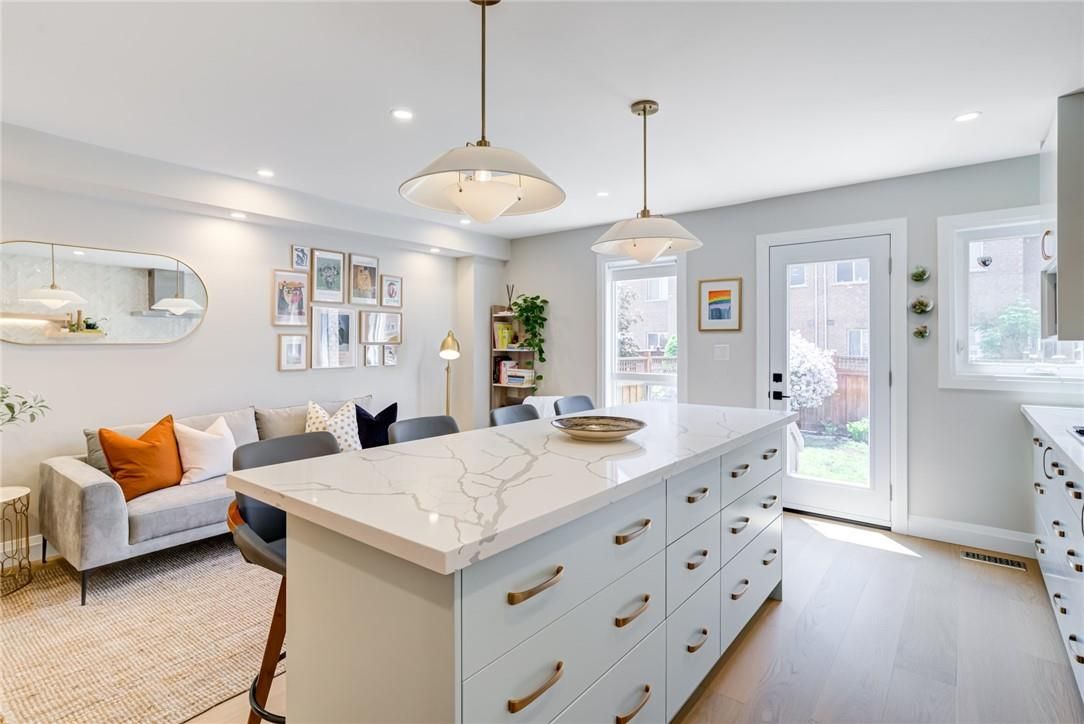
The Visible Problem May Not Be the Real Problem
It is easy to focus on what we can immediately see.
A room that feels cluttered may appear to need better organisation. However, the underlying issue could be a lack of appropriate storage or clearly defined activity zones.
A kitchen may be difficult to use because the items needed for meal preparation are stored in different areas. An unused room may remain empty because it does not have a clear purpose or support an activity that matters to the household.
A frustrating routine could also be affected by:
- Poor task lighting
- Limited work surfaces
- Awkward circulation
- Difficult-to-access storage
- An inefficient layout
Tracy's Design Insight:
Before deciding what needs to change, ask why the problem keeps happening.
Understanding the cause helps prevent you from investing in a solution that only addresses what is visible on the surface.
A Real-Life Example
For this young family, their front entrance wasn't working for the way they lived.
The existing space felt small and dark, but the real challenge went beyond how it looked. There wasn't a convenient place to store their stroller, and they needed better storage for their young children's books.
Rather than assuming we needed more square footage, we looked at how the existing space could work harder.
Using the same footprint, we created dedicated storage for the stroller and books while making the entrance feel brighter, more spacious and welcoming.
The result wasn't simply a better-looking entrance. It was a space that better supported the family's everyday routines—and a bright, welcoming entrance they were proud to share with family and friends.
Good design isn't always about creating more space. Sometimes it's about making better use of the space you already have.
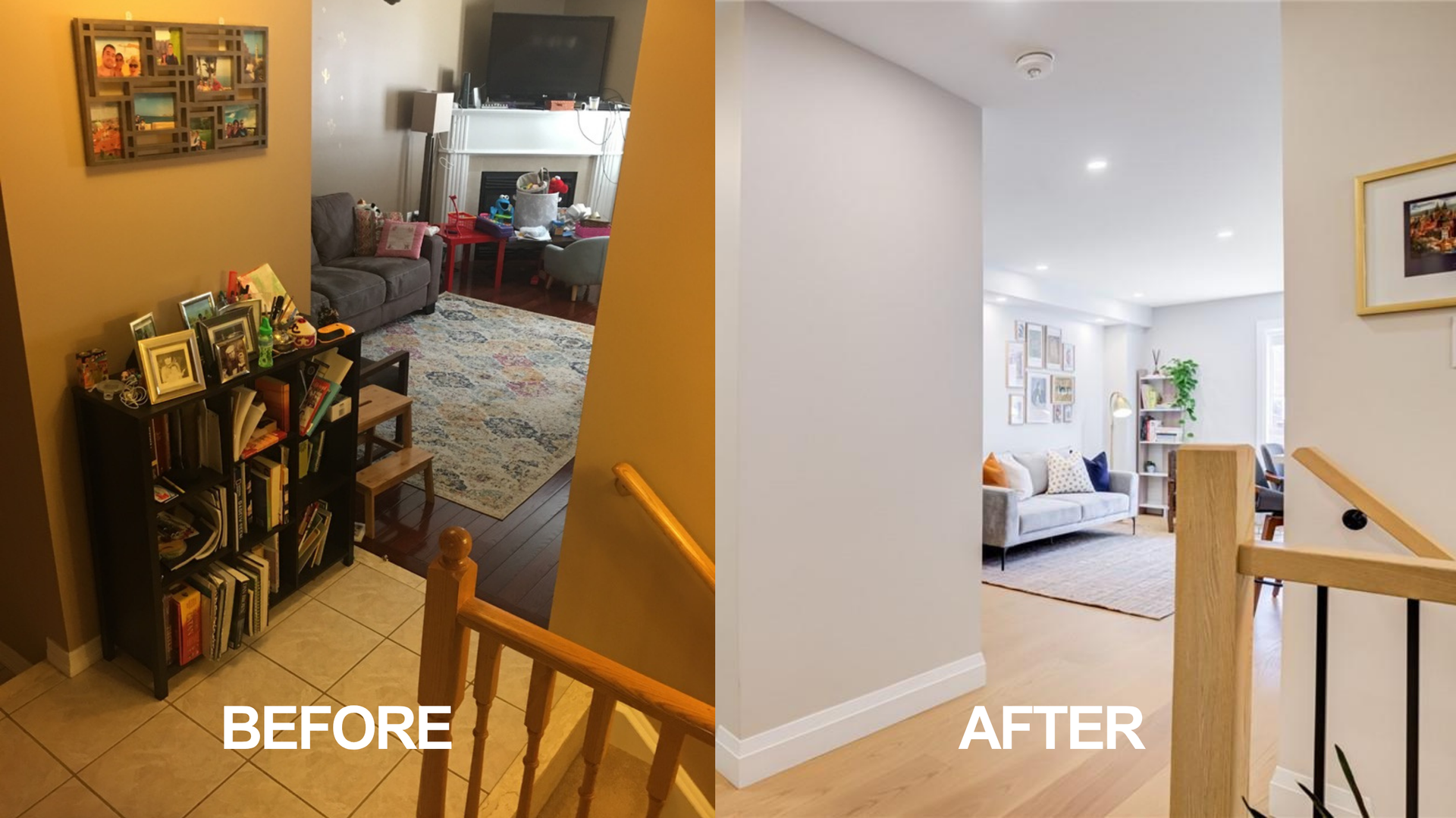
Follow One Routine From Beginning to End
One of the most useful ways to evaluate your home is to observe one activity from start to finish.
Choose something you do regularly, such as making breakfast, doing laundry, putting groceries away, or leaving for work.
As you move through the routine, notice:
- Where the activity begins
- Which items are needed
- Where those items are stored
- How much movement is required
- Whether two activities are competing for the same space
- Whether there is enough lighting, storage, surface area, or access
- Where the routine consistently becomes inconvenient
For example, putting groceries away may seem like a simple activity.
When you observe the full process, you may realise there is nowhere to place the bags when you enter. The kitchen counter may already be occupied, while pantry items, refrigerated food, and reusable bags are stored in several different directions.
What first appeared to be a general organisation problem may actually be an issue with access, landing space, and storage placement.
A Closer Look:
Following the routine helps turn a vague frustration into a more specific design problem.
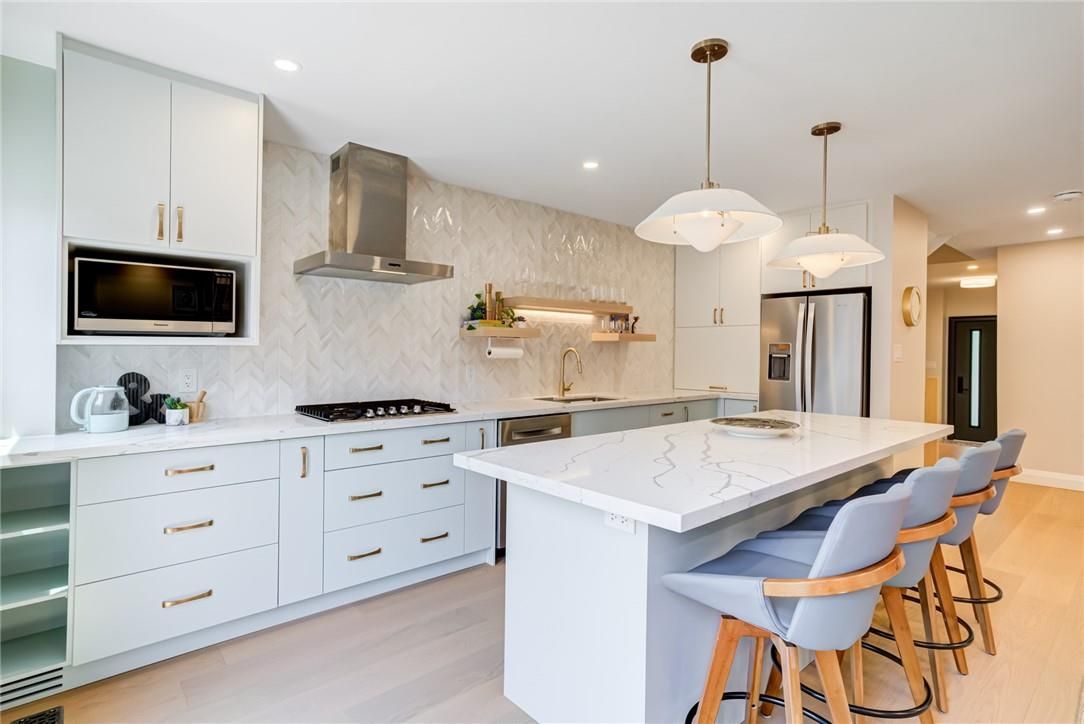
What Change Would Truly Make Life Easier?
Once you understand the source of the friction, you can begin considering the right response.
The solution might involve:
- Better task lighting
- More appropriate storage
- A more useful work surface
- Repositioning frequently used items
- Creating clearer activity zones
- Improving circulation
- Repurposing an underused area
- Completing a targeted renovation
- Planning a larger renovation when it is genuinely needed
Not every inconvenience requires a major renovation.
Sometimes, changing where items are stored or improving the lighting can make a meaningful difference. In other situations, a more significant layout change may be necessary because the room cannot properly support the way it is being used.
Tracy’s Design Insight:
The goal isn't to choose the biggest change. It's to choose the right change.
A Home Should Work Well and Feel Right
Efficiency does not mean creating a rigid home where everything must follow a perfect system.
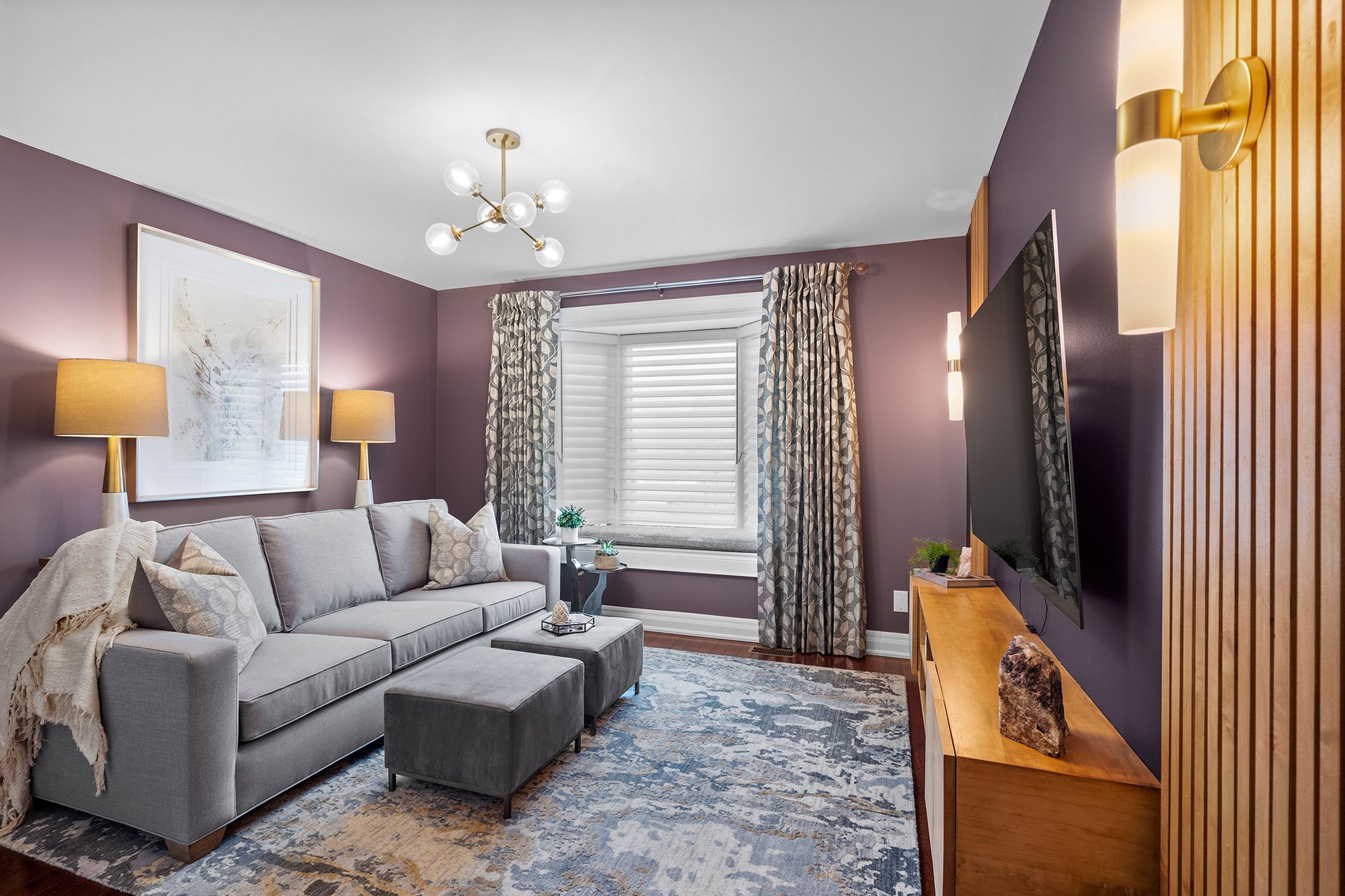
It means designing spaces around how people naturally live, move, gather, and complete everyday activities.
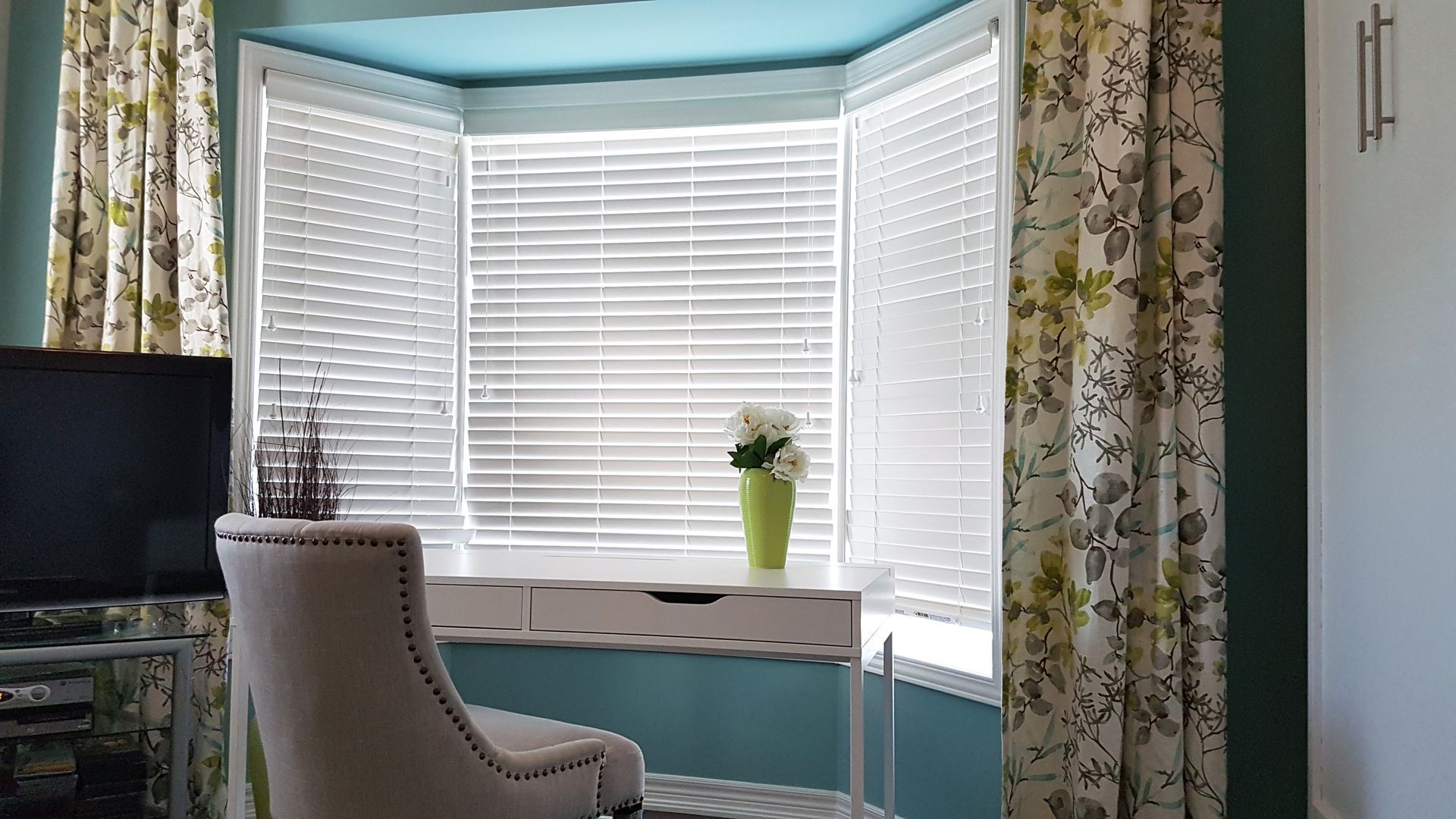
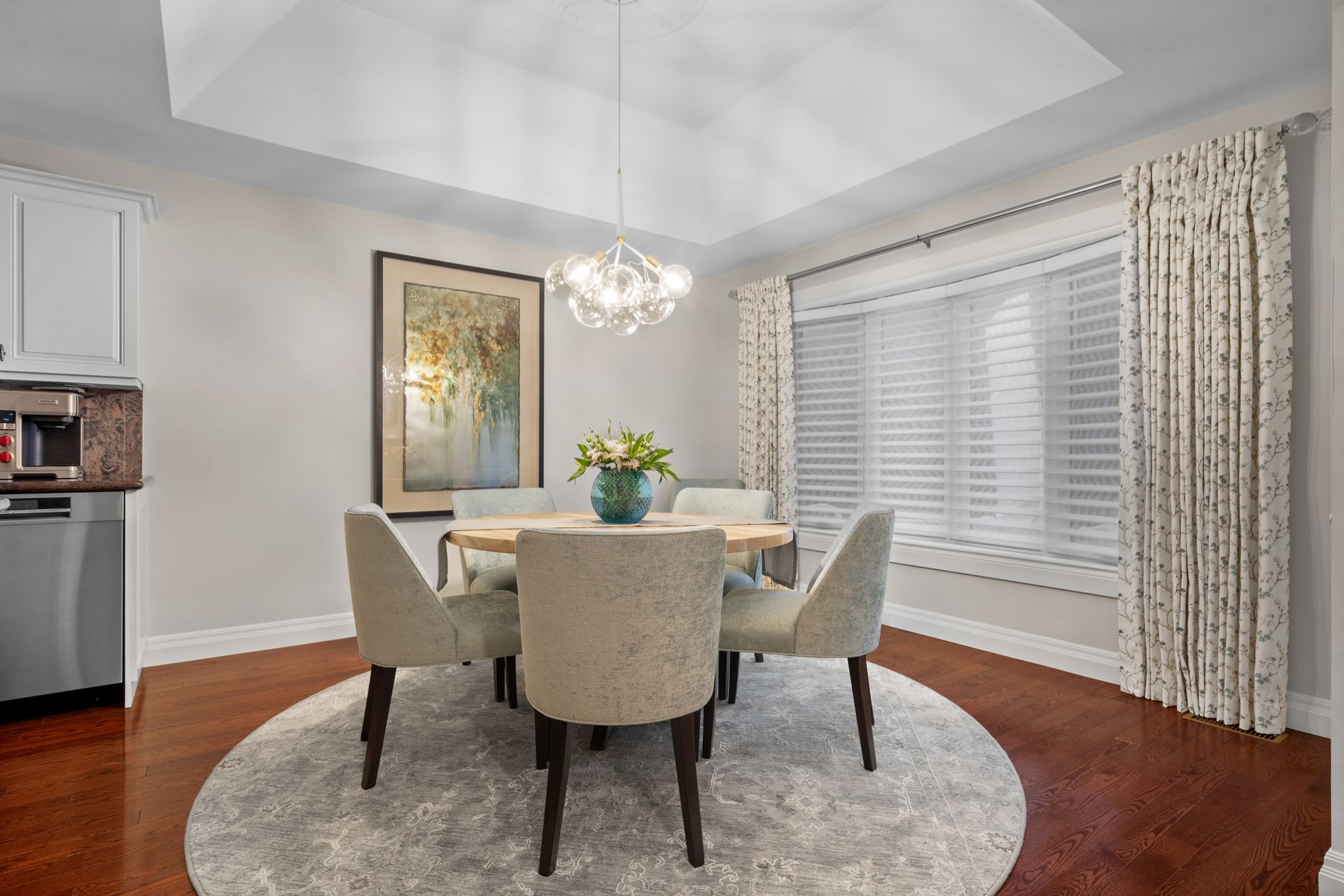
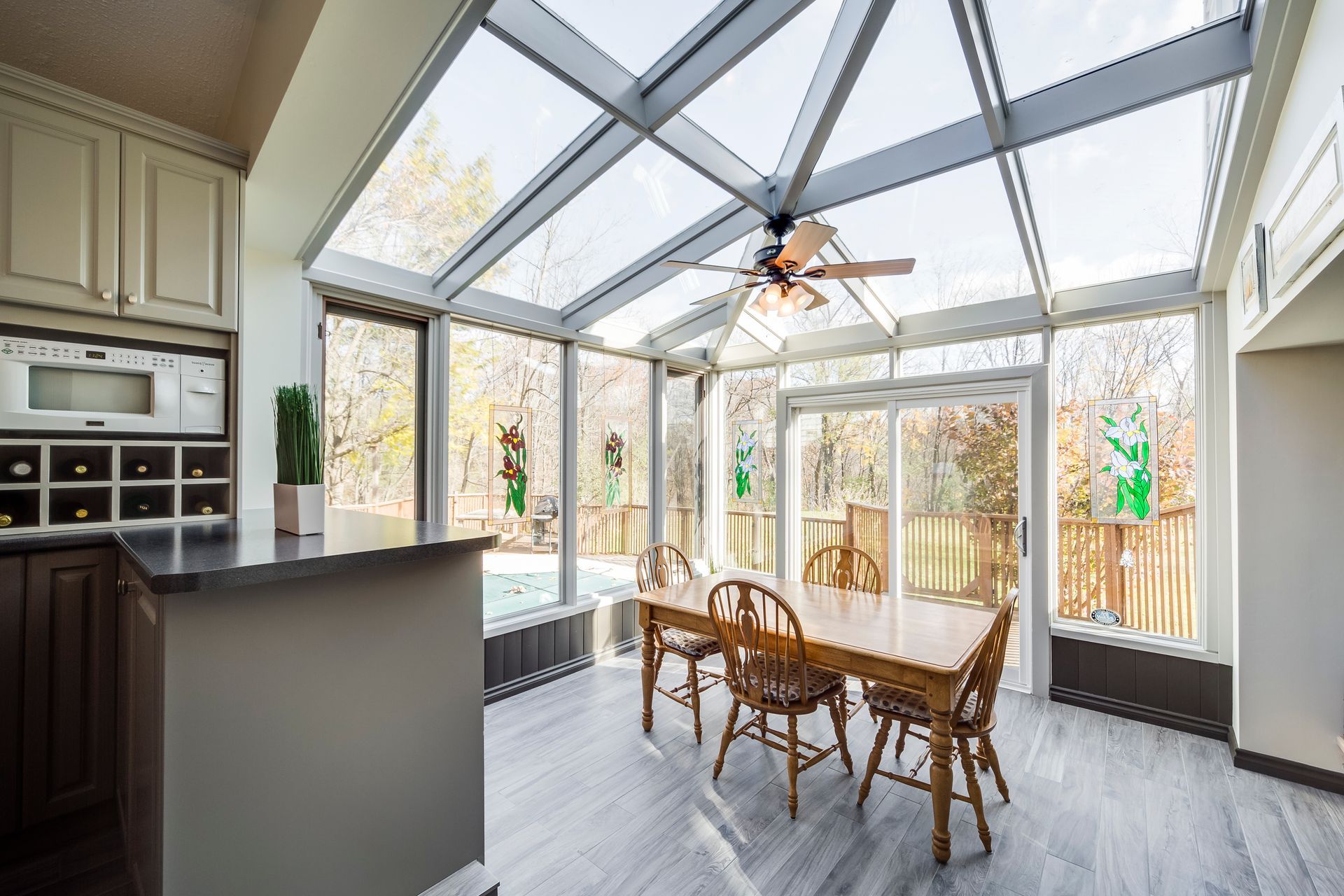
A functional entryway can make leaving and returning home feel less rushed. A thoughtfully planned kitchen can make preparing meals easier. A well-designed home office can support focus while still feeling comfortable and connected to the rest of the home.
When a space functions well, it often feels better too.
There are fewer obstacles, fewer unnecessary steps, and fewer moments when your home seems to be working against you.
Function and feeling aren't separate design priorities. Together, they create a home that feels practical, comfortable and personal.
Clarity Before Change
You don't need to evaluate your entire home at once.
Start with one frustration.
Instead of immediately asking, “What should I change?” ask:
“Why does this keep happening?”
The answer may point to something as simple as better lighting or storage—or it may reveal that the space itself needs to change.
Either way, understanding the problem first gives you something incredibly valuable:
Clarity.
And clarity is where better design decisions begin.
Ready to Discover What's Possible?
If you’ve started noticing where your home is making everyday life harder than it needs to be, you don't have to know the solution before reaching out.
That's where we begin.
Together, we'll uncover what's already working, identify where unnecessary friction is happening, and gain clarity about the changes that could make the greatest difference in your home.
Book your
Discovery Call today, and let’s begin creating a home that’s just right for you.
Tracy Laqua
Interior Design Professional, in-ex-teriors™
Creating a home that feels right for you.
Other Projects You May Be Interested In
LET'S CHAT ABOUT YOUR PROJECT
Complete the form below for a no obligation consultation.