

Designing for Ease
How Thoughtful Flow Supports a Fresh Start at Home
March brings a subtle but meaningful shift. The days grow longer. Energy begins to return. There is a natural desire to reset and move forward.
Often, that desire shows up in our homes.
Yet a fresh start does not always require new furnishings or major renovations. Sometimes what creates renewal is simply improving how a space flows.
When circulation feels intuitive and movement is uninterrupted, daily life feels lighter. Routines unfold more smoothly. Momentum builds rather than stalls.
A home that’s right for you should support this sense of ease especially as seasons and schedules begin to shift.
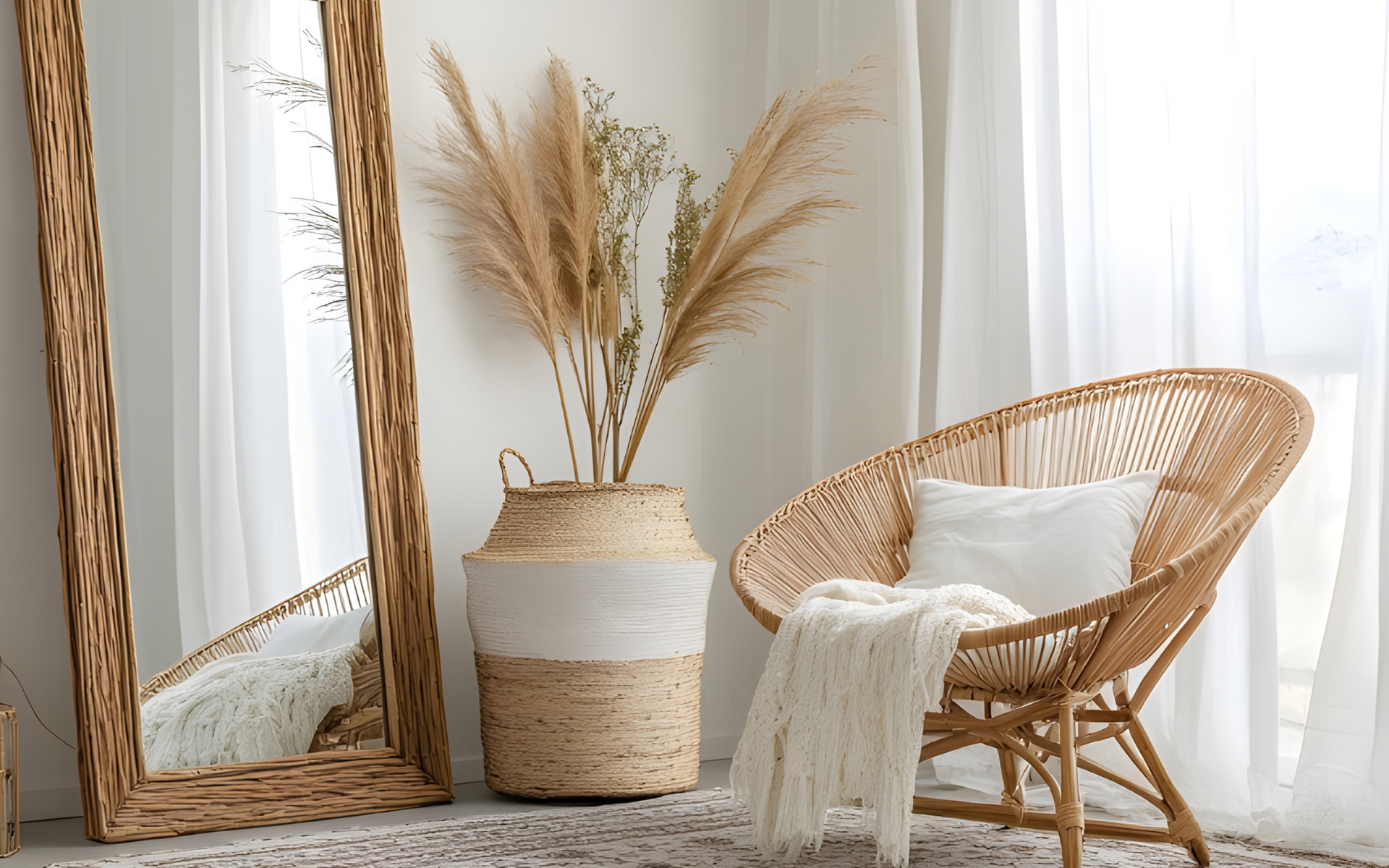
Identifying Where Movement Feels Restrictive
Fresh energy cannot move freely through a space that feels blocked.
Perhaps an entryway narrows under the weight of coats and bags. A hallway feels tight because of an oversized console. A living room layout forces you to walk around furniture
instead of moving comfortably through the room.
These small inefficiencies create subtle resistance throughout the day.
Functional flow in interior design focuses on clearing those obstacles. By identifying where movement feels interrupted or constrained, you can make simple layout adjustments that restore comfort and ease.
- Try this:
Walk your most used pathway from kitchen to living room or entry to stairs. Notice where you hesitate or adjust your route. That is often where a layout shift could create immediate ease.
Pro Tip: If a space feels heavy, the issue may not be what you have but how it is arranged.
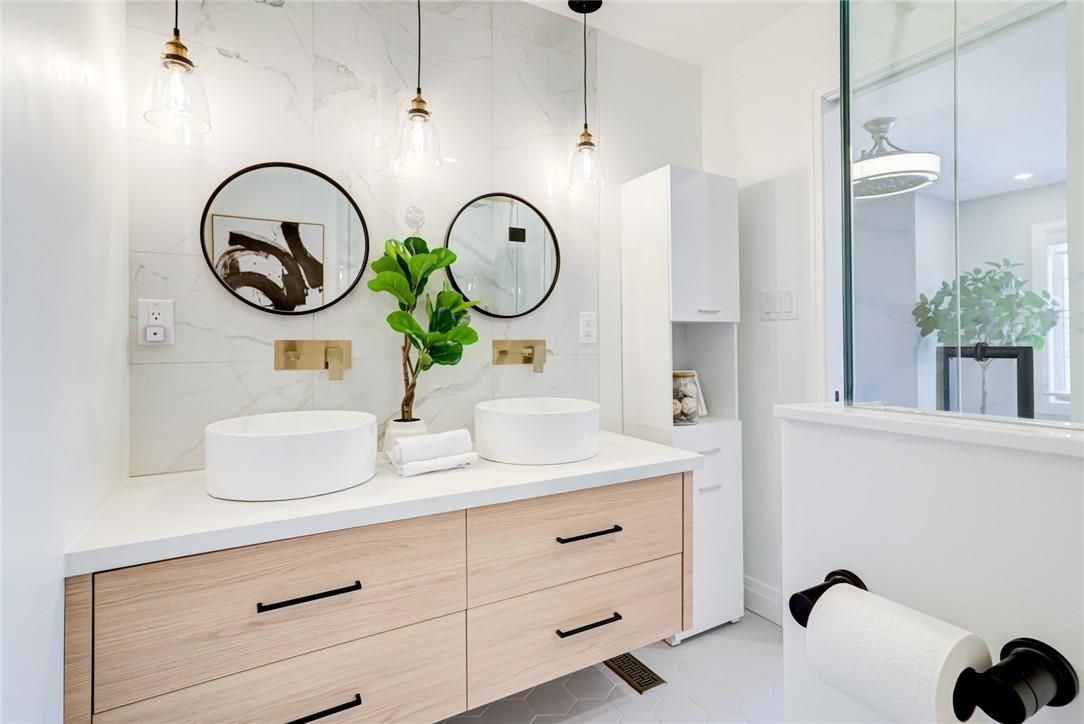
Improving Circulation to Support Evolving Routines
As spring approaches, routines naturally evolve. Children spend more time outdoors. Work schedules shift. Entertaining becomes more frequent.
Your layout should support that renewed momentum.
Improving circulation may mean removing one secondary furniture piece to open a clearer path. It may mean repositioning seating so it aligns with natural walking routes. In open concept spaces, defining clear zones can dramatically reduce visual and physical congestion.
- Try this:
Temporarily remove one smaller piece of furniture that sits along a main walkway. Live with the change for a few days and observe how the space feels.
Pro Tip: When you remove friction from your layout, you also reduce mental load. Clear pathways often create clearer thinking.
Want more design inspiration?
Sign up for our free newsletter for thoughtful design guidance, seasonal ideas, and insights on creating a home that truly feels right for you.
Link
HERE
Creating Smoother Transitions Between Spaces
Flow is not only about physical movement. It is also about visual continuity.
When transitions between rooms feel abrupt or cluttered, the home can feel unsettled. Creating smoother transitions through consistent materials, balanced scale, and intentional placement allows each space to feel connected.
- Try this: Stand between two adjoining rooms and observe the sightline. Is there visual clutter disrupting the connection? Simplifying that view can instantly create calm.
Pro Tip: A cohesive transition does not mean identical spaces. It means thoughtful connection.
Want more design inspiration?
Sign up for our free newsletter for the latest decor ideas, designer tips, and more!
Other Projects You May Be Interested In
LET'S CHAT ABOUT YOUR PROJECT
Complete the form below for a no obligation consultation.